
Trade and Technical Programs for Every Career Path
Skilled trades offer some of the fastest paths to a stable, well paying career, often without a four year degree. DegreeFlex can match you with accredited trade and technical programs that fit your goals.
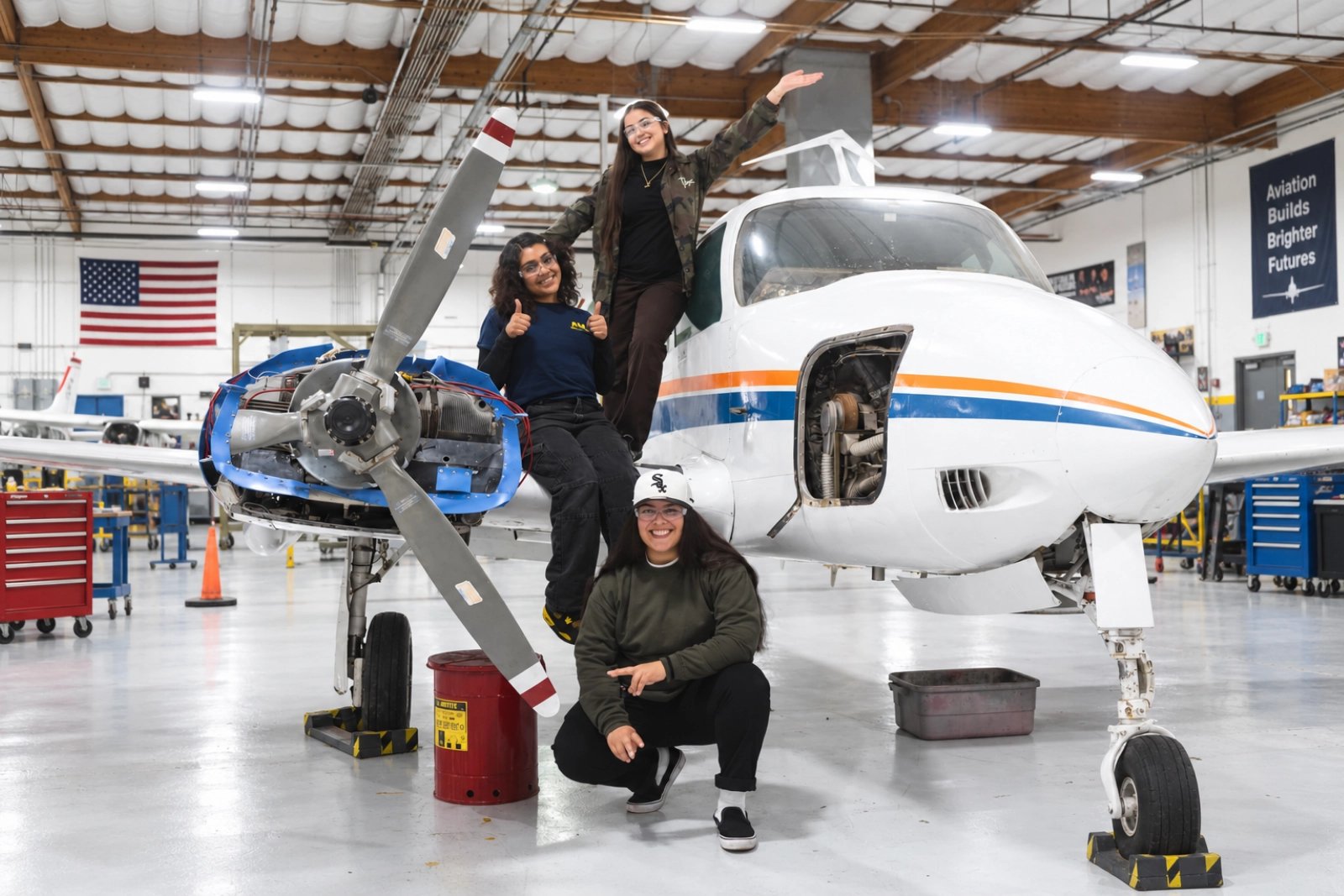
Aviation Maintenance
Aviation maintenance technicians inspect, repair, and maintain aircraft systems to keep planes safe and airworthy. Training typically leads to FAA certification, which is required to work on aircraft.
- Requires FAA certification to work independently
- Strong demand tied to commercial and private aviation
- Programs typically award a certificate or associate degree

Automotive Technology
Automotive technology programs prepare students to inspect, maintain, and repair cars and light trucks, including increasingly complex electronic and hybrid or electric vehicle systems. Many programs lead to industry certification.
- Growing focus on electric and hybrid vehicle systems
- Certification can lead to higher pay and better roles
- Typically completed in under two years

CDL
CDL training prepares students to safely operate heavy trucks and obtain a commercial driver’s license, one of the fastest paths from training to a paying job in the trades. Programs are often just a few weeks long.
- One of the shortest training timelines in the trades
- Strong ongoing demand for qualified drivers
- Required license, not a degree, to begin working
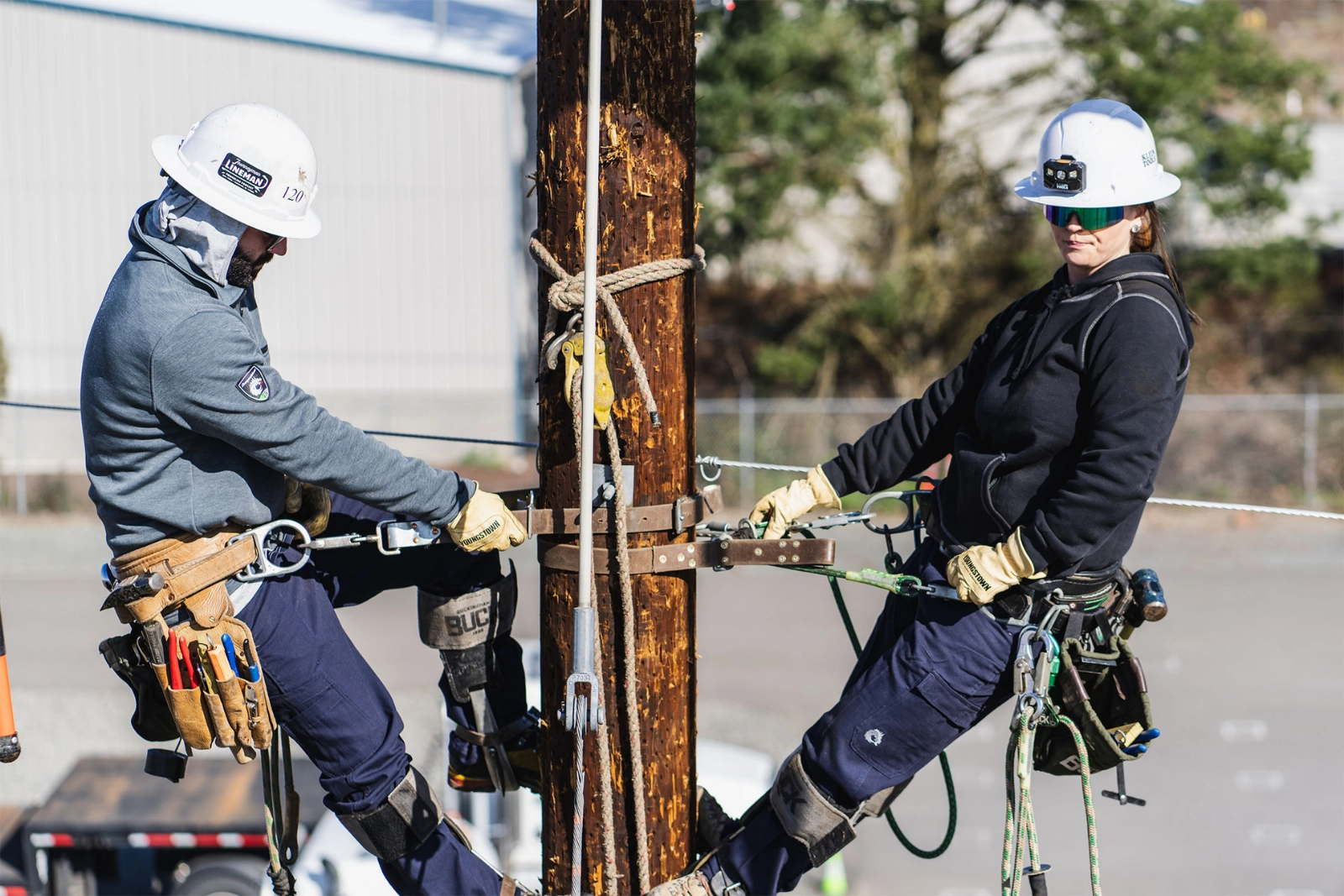
Electrical Line Worker
Electrical line workers install and repair the power lines that deliver electricity from generation sources to homes and businesses. The work is physically demanding and often involves working at heights.
- Among the highest paying trade careers without a degree
- Often trained through apprenticeship programs
- Physically demanding work, sometimes at significant heights
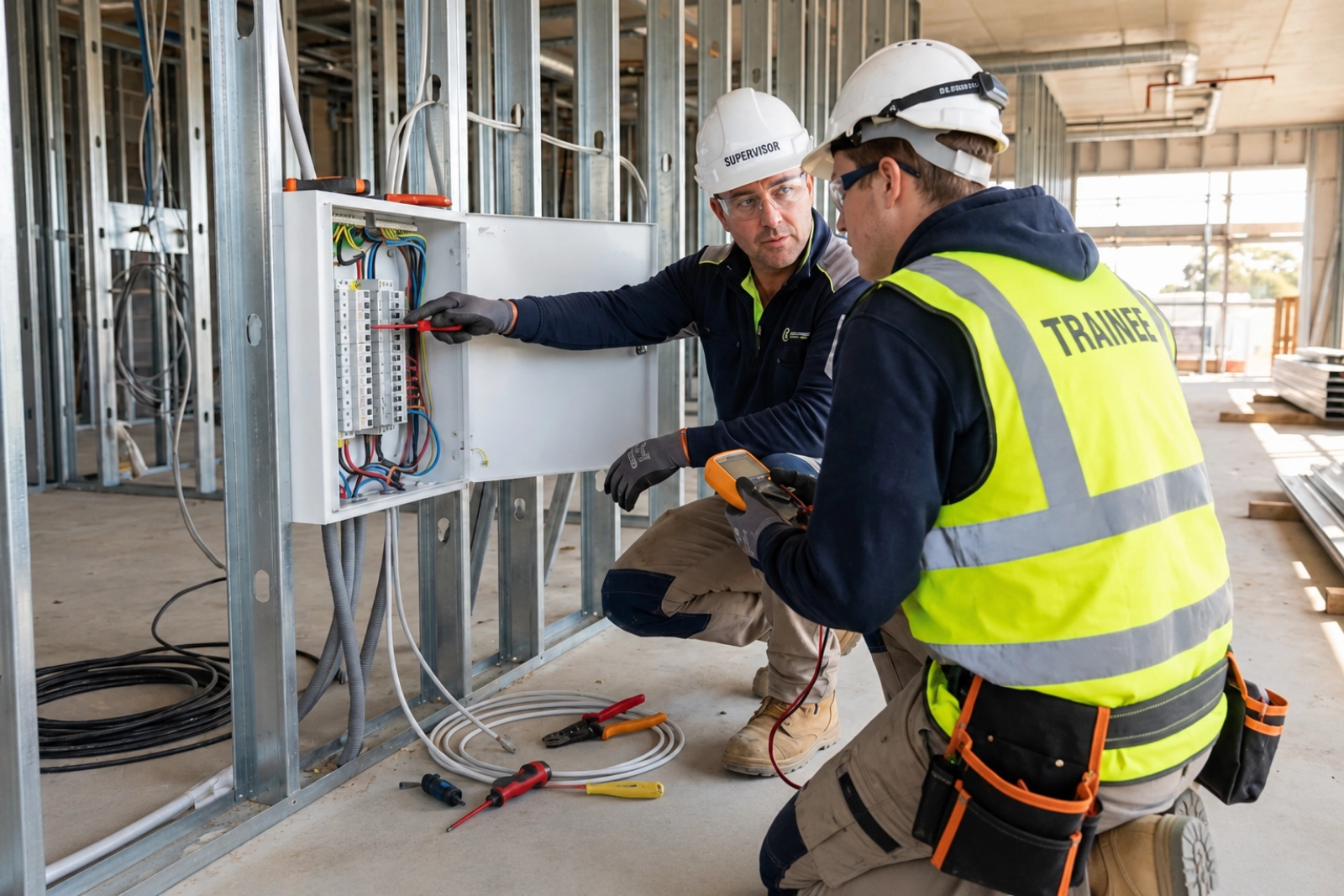
Construction Electrician
Construction electricians install, maintain, and repair the electrical systems that power homes, businesses, and factories. Most learn through a multi year apprenticeship combining paid work with technical instruction.
- Most states require licensing to work independently
- Strong, consistent demand across residential and commercial construction
- Apprenticeships provide paid, on the job training
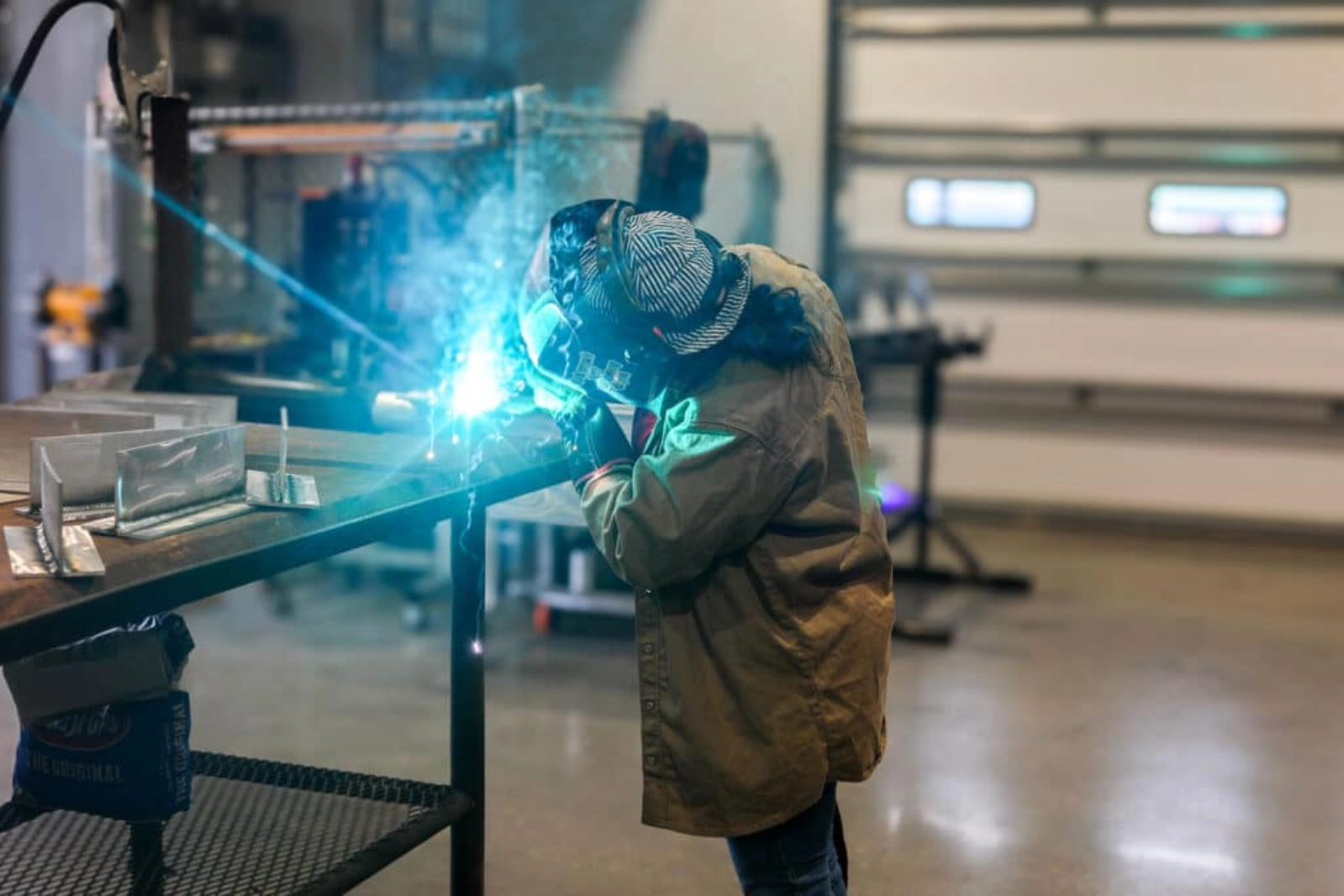
Welding
Welding programs teach students to join, cut, and repair metal parts using a variety of techniques and equipment. Training can lead to specialized, higher paying welding certifications.
- Specialized certifications (pipe, underwater, structural) can raise pay
- Work available across construction, manufacturing, and energy
- Training typically completed in under a year
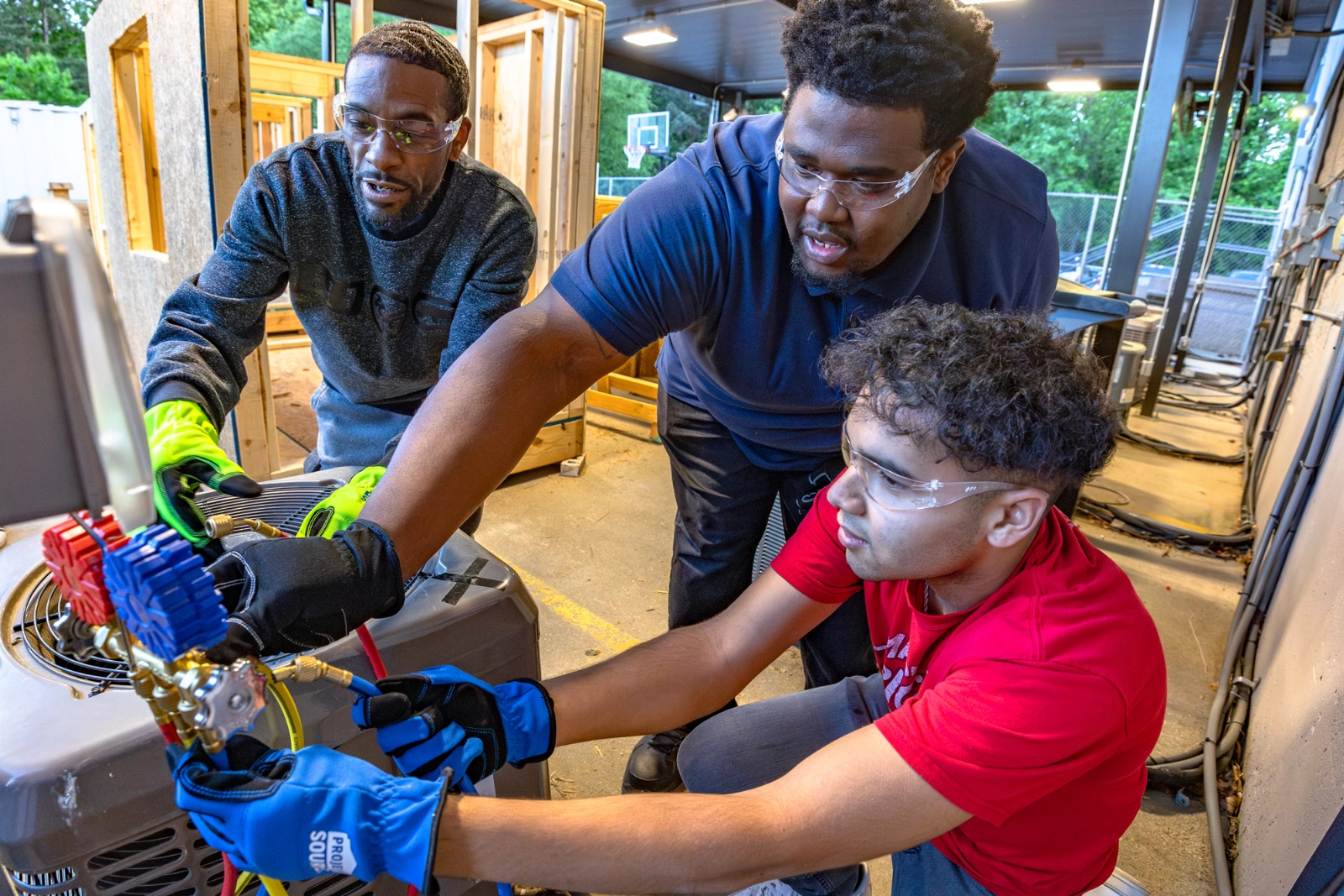
HVAC
HVAC programs train students to install, maintain, and repair heating, ventilation, air conditioning, and refrigeration systems. Most technicians need EPA certification to handle refrigerants.
- EPA certification required to handle refrigerants
- Strong job growth tied to climate control demand
- Programs typically last 6 months to 2 years

Hospitality & Facilities Management
Hospitality and facilities management programs prepare students to oversee the operations, maintenance, and guest or tenant experience of hotels, event venues, or commercial buildings. Roles span both people management and building operations.
- Spans both guest facing hospitality and behind the scenes operations
- Applicable to hotels, event venues, and commercial properties
- Strong demand for skilled project managers across industries

Cosmetology & Esthetics
Cosmetology and esthetics programs train students in hair, skin, and beauty services, preparing them for state licensing exams required to practice. Programs combine hands-on training with cosmetology theory.
- State licensing exam required to practice
- Flexible career paths, including salon employment or self employment
- Hands on training is a core part of every program
What Can You Earn in a Trade or Technical Career?

Why Choose a Trade or Technical Career?
Skilled trades offer a rare combination in today’s job market: strong pay, real job security, and a training timeline measured in months, not years. Several of the trades above are growing much faster than the average for all occupations, driven by retirements, infrastructure needs, and demand that simply cannot be outsourced or automated away.
Many trade and technical programs also lead directly to licensure or certification, giving graduates a clear, recognized credential the moment training is complete.

Common Questions About Trade and Technical Programs
Do I need a college degree for a trade career?
No. Most trade careers require a certificate, license, or apprenticeship rather than a traditional two or four year degree, and several can be started in under a year.
Which trade careers pay the most?
Pay varies by trade and experience, but electrical line work and construction electrician roles are generally among the higher paying trade careers, according to BLS data.
How long does trade school take?
It depends on the trade. CDL training can take just a few weeks, while programs like HVAC or electrical work typically take anywhere from several months to a few years, especially when an apprenticeship is involved.
Are trade careers in demand?
Yes. Several trades on this page, including HVAC and electrical work, are projected to grow much faster than the average for all occupations, according to the BLS.
Do trade careers require licensing?
Many do. Electricians, cosmetologists, and several other trades typically require passing a state licensing exam before working independently.
Ready to Start Your Trade Career?
Answer a few quick questions and see accredited trade and technical programs matched to you, free with no obligation.