700+ programs across 9 career paths Free to search — no cost, no obligation Financial Aid may be available for those who qualify

Video Broadcasting Degree

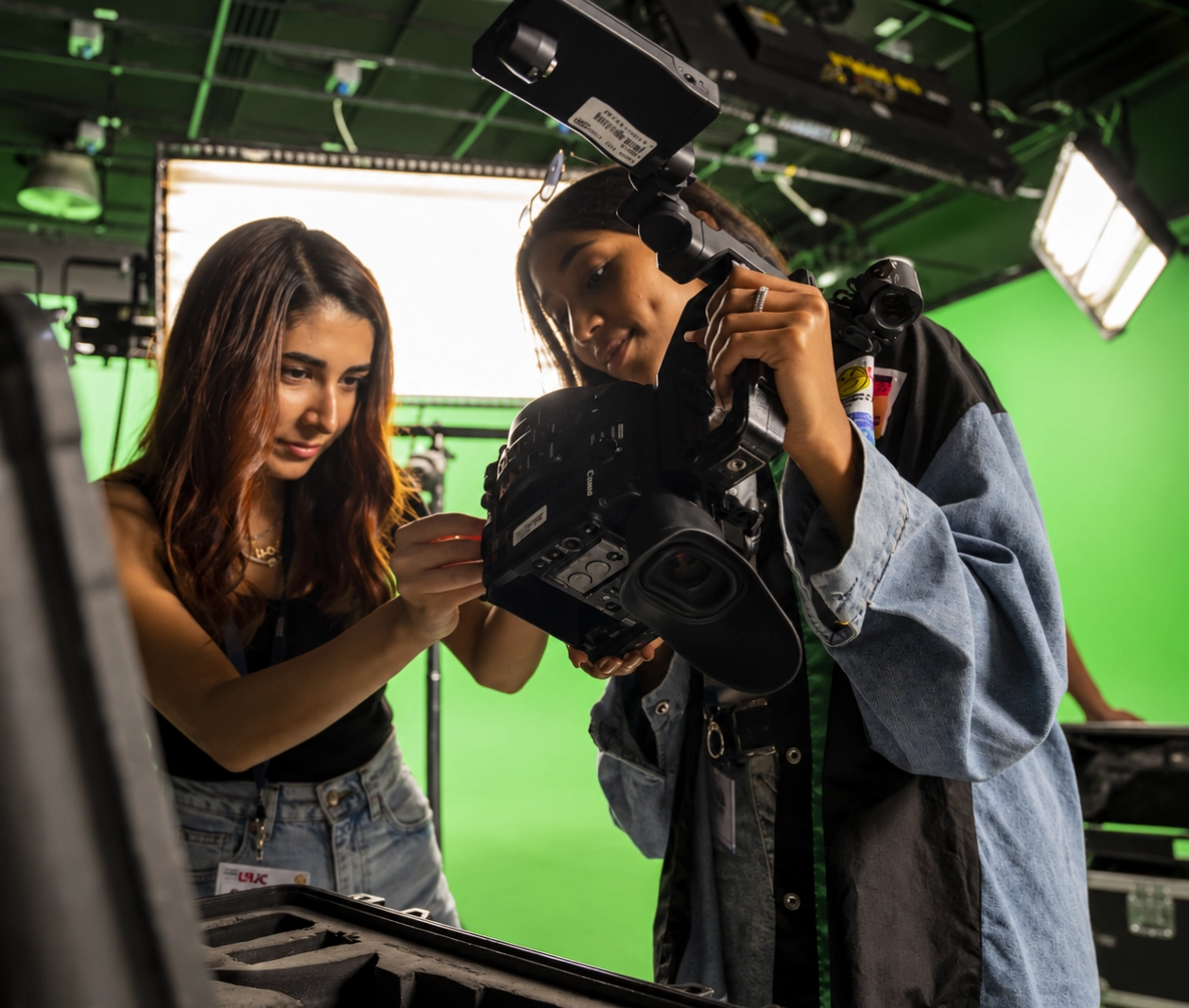
A video broadcasting degree trains you to shoot, edit, and produce video content for television, film, and digital platforms. DegreeFlex can match you with accredited broadcast and video programs that fit your goals.

What Does a Video Broadcasting Degree Cover?

A video broadcasting degree combines technical production skills with storytelling fundamentals, covering camera operation, editing, and the full production workflow. A broadcasting journalism degree blends these production skills with news writing and reporting, for students interested in the journalism side of broadcasting specifically.

Video Broadcasting Pay and Job Outlook

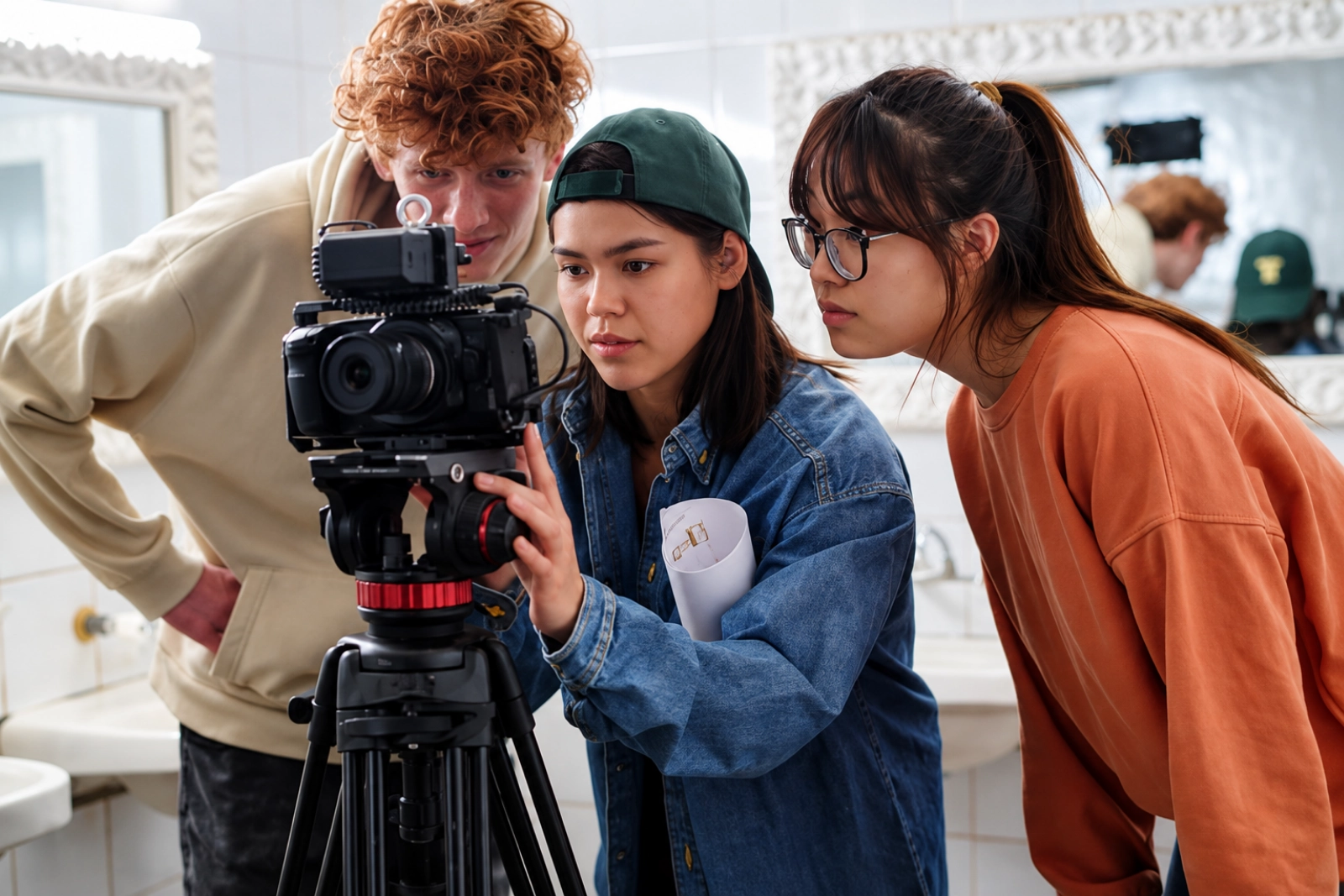
A video broadcasting degree prepares graduates for roles the U.S. Bureau of Labor Statistics classifies as film and video editors. This occupation earned a median annual wage of $75,420 as of May 2025. Employment is projected to grow 3% from 2025 to 2035, about as fast as the average for all occupations, with about 5,600 openings projected each year.

— ACCREDITED PARTNERS

Sponsored Schools

A few of the accredited schools you could be matched with.

Sponsored
“50+ years of career-focused education”

Kaplan has offered specialized, flexible degree programs to students around the globe. Our mission is to empower a diverse student body for academic, personal, and professional success.

Sponsored
“YOUR COMEBACK STARTS WITH PURDUE GLOBAL”

Don’t just go back to school — come back and move forward with Purdue Global, Purdue’s online university for working adults.

Sponsored
“Jumpstart your career with a top public university—100% online”

For decades, CU Online has helped students build rewarding careers. With personalized support from day one to graduation, you’ll stay on track to reach your goals.

Pros and Cons of a Broadcasting Career

1

Applicable to television, film, and growing digital platforms

Entry-level roles can be competitive, especially in major markets

2

Hands on production experience is central to most programs

Equipment and technology change quickly, requiring ongoing learning


3

Multiple specializations, from sports to journalism-focused tracks

Equipment and technology change quickly, requiring ongoing learning


4

Portfolio and demo reels can open doors beyond the degree alone

Freelance and contract work is common early in the field

Choose Your Degree Level

Broadcasting Schools Near Me (in-person production)

Students who want hands on studio and equipment access


Video Production Degree

A general path covering camera, editing, and production skills

Broadcasting Bachelor Degree

The typical minimum requirement for most broadcast production roles

Sports Broadcasting Degree

A specialized path for students focused on sports media and commentary


Common Questions About Video Broadcasting Degrees

What's the difference between a broadcasting degree and a broadcasting journalism degree?

A general broadcasting degree focuses on production skills like camera work and editing, while a broadcasting journalism degree adds news writing and reporting skills for students interested in on-air or news production roles.

For students specifically interested in sports media, yes. A sports broadcasting degree builds the same core production skills with added focus on sports commentary and live event coverage.

DegreeFlex matches you with both local and online-accessible accredited broadcasting programs based on your interests and location, since hands on studio access matters for this field.

The terms overlap significantly. Video production tends to cover broader film and digital media work, while broadcasting often implies a focus on television or live media specifically.

Many employers prefer a bachelor’s degree, though a strong production portfolio or demo reel can sometimes open doors for candidates with less formal education.

— Start your journey today

Ready to Start Your Broadcasting Career?

Answer a few quick questions and see accredited video broadcasting programs matched to you, free with no obligation.